
Mon-Fri 8am-5pm CST
(205) 426-9200
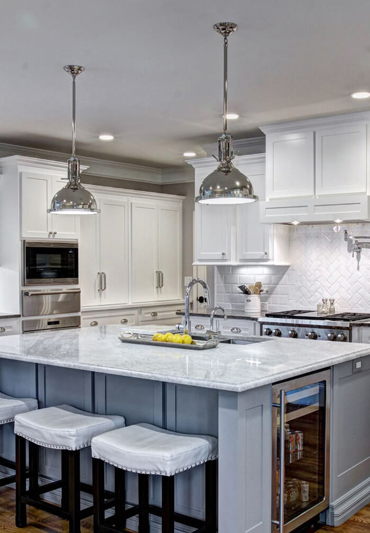

We are pleased to announce an expansion of our production capacity by adding another manufacturing facility. As a result of this expansion, Cabinet Components, Inc. is now Cabinet Component Innovations, better describing our company as we move forward with our expanded product offerings.
Our growth is a direct result of the confidence that our customers have placed in us by allowing us to serve them. For that we are grateful and are committed to continue providing quality products in a timely manner at competitive prices.

Our standard lead time is approximately 7 working days, however we offer a three day turn around with an up-charge. We are truly a "custom" manufacturer and will make every effort to meet your requirements.
Read More
Cabinet components has been with me every step of the way while starting my company. They have a wonderful team that is great a communicating with me which is so important in this business. Personally, their sales team has been so helpful with all my questions and helps me to make sure we are delivering a premium product to my customers. I couldn’t imagine a better a working relationship.

Cabinet Components has served our needs well for years. We have been in the cabinetry & millwork business for over 27 years and we have found ordering our doors and drawers from them has been both a cost-effective & pleasant experience. Their sales and management team have been exemplary in supporting our custom design needs as well as ensuring quality and timely delivery. In an industry that is both cost and detail driven, they have always gone the extra mile to make sure our needs have been met and our customers satisfied.
We began using CCI after an unsatisfactory experience with another door and drawer company, and they have been great to work with. From the designing of a custom door just for our company, to the ease of ordering their own doors and drawer boxes, it has been an all -around good experience! We look forward to doing business with this company for years to come.

We are longtime customers of CCI. They make it so easy to work with them. From the ordering of the doors to the on-time delivery, CCI gets the job done so I can get my job done. The staff at CCI is nice, friendly, helpful and knowledgeable. It makes doing business with them a pleasant experience.